
When a commercial facility sustains water damage, business operations may come to a complete standstill. Water infiltration impacts a building’s physical structure as well as a company’s productivity and profitability, whether it results from a busted pipe, flooding, or an unforeseen roof leak. The longer the delay in restoring the premises, the more revenue is lost. That’s why minimizing downtime during a commercial water damage cleanup is critical.
While cleanup and restoration are technical processes, a well-organized response strategy can drastically shorten the time your business stays offline. Acting fast, coordinating with the right professionals, and understanding the necessary steps can help restore operations efficiently and avoid long-term complications.
Immediate Action Matters
Time is the most important factor when water damage strikes. The longer water sits on flooring, behind walls, or inside your HVAC system, the more damage it can cause. Mold, mildew, and structural degradation don’t take long to develop. Mold can actually begin to grow in as little as 24 to 48 hours. That’s why having a response plan in place before disaster strikes is one of the most effective ways to reduce downtime.
Once water damage is discovered, business owners should prioritize two things: stopping the source of the water and contacting a professional commercial water damage cleanup team. Delays—even a few hours—can drastically increase both the cleanup costs and the time it takes to reopen for business.
Work With Experienced Restoration Professionals
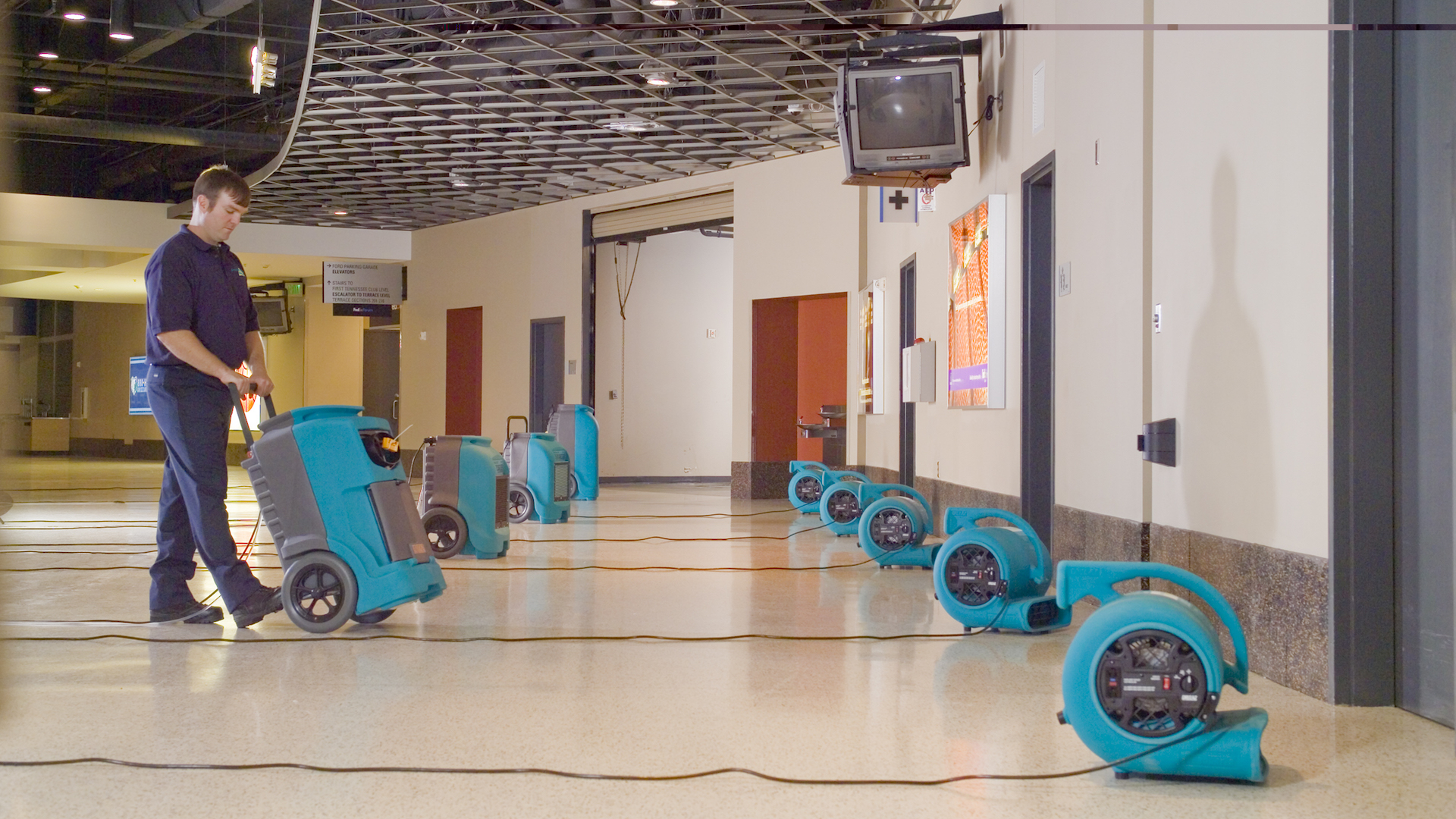
Partnering with a professional restoration company that specializes in commercial properties is key. These professionals understand the urgency of keeping a business operational and will often offer 24/7 emergency response services. Their teams come equipped with industrial-grade equipment like water extractors, dehumidifiers, and air movers, all designed to dry large spaces efficiently.
In addition to physical cleanup, reputable companies will also assist with damage assessment and documentation, which is vital for filing insurance claims. Quick insurance processing helps you access funds sooner, accelerating repairs and minimizing financial strain.
Prioritize Business Continuity
When developing your emergency response plan, it’s helpful to identify core operations that can either continue remotely or be temporarily relocated. For instance, if the damage is limited to a certain section of your building, sealing it off and continuing work in unaffected areas may be possible. Alternatively, setting up a temporary location or activating a remote work policy can allow your team to remain productive while cleanup is underway.
Communication also plays a crucial role. Keep employees, clients, and vendors updated about the situation and your expected timeline for reopening. A transparent approach helps maintain trust and avoids unnecessary confusion or reputational damage.
Address Safety First
Before any restoration work can begin, safety must be ensured. Power to affected areas may need to be turned off to prevent electrical hazards, and structural integrity should be assessed. Wet floors, ceilings, or walls can pose hidden dangers, and attempting to move through a damaged space without professional guidance could lead to injury.
Cleanup crews will evaluate these safety concerns and take necessary precautions, including using personal protective equipment and blocking off unsafe areas. These steps are not just about compliance—they’re crucial for protecting your team and minimizing liability.
Use Technology To Speed Up Recovery
Today’s restoration companies use advanced technology that can help accelerate cleanup and drying. Moisture detection tools, thermal imaging cameras, and digital mapping software allow technicians to pinpoint hidden water pockets without tearing through walls or flooring. This reduces the need for extensive demolition and helps teams focus only on the areas that need attention.
In addition, remote monitoring systems can track moisture levels over time and notify teams when conditions are safe, helping avoid unnecessary delays and ensuring that areas are fully dry before rebuilding begins.
Plan For The Future
Once your business is back to normal, it’s a good time to evaluate what went well—and what didn’t—during the response. Use this experience to strengthen your business continuity plan. Identify ways to reduce risk moving forward, whether that means upgrading roofing systems, installing water sensors, or improving drainage around your property.
If another problem happens, being proactive rather than reactive can make all the difference in avoiding prolonged downtime. Some businesses also invest in service agreements with restoration companies to ensure they’ll receive top-priority support in case of emergency.
Conclusion
Minimizing downtime during a commercial water damage cleanup is all about preparation, speed, and working with experienced professionals. The sooner the damage is assessed and addressed, the faster your business can resume operations. By having a plan in place and choosing the right partners, companies can not only recover more quickly but also emerge stronger and better prepared for the future. Time lost is money lost—but with the right approach, recovery can be swift and efficient.