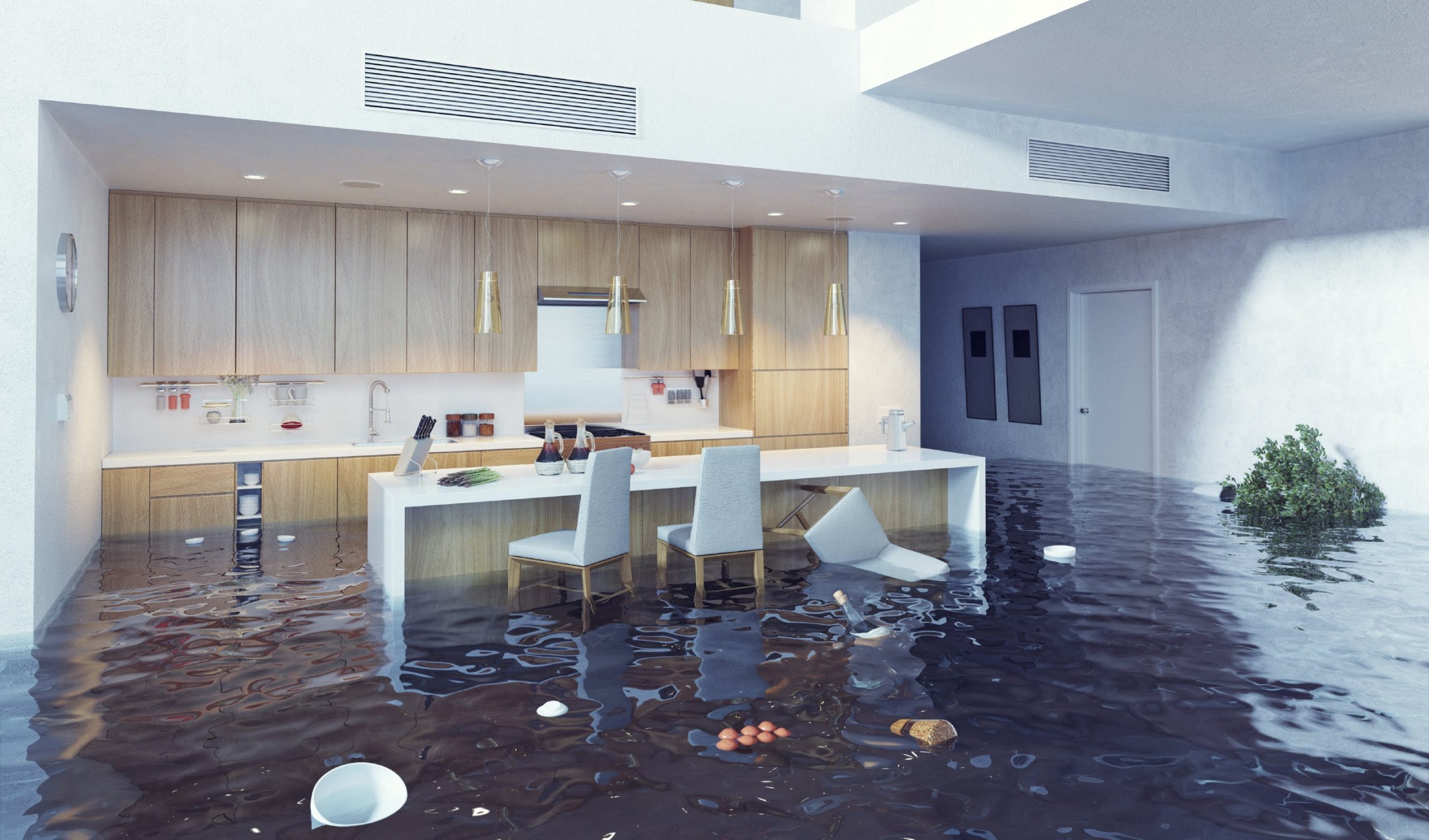
Water damage can be one of the most expensive issues a homeowner can face. Leaks, floods, and humidity can compromise the structural integrity of your home, ruin belongings, and lead to costly repairs. However, with proactive measures, you can prevent water damage before it becomes a major issue. Here’s how to safeguard your home.
1. Inspect Your Roof Regularly
Your roof is your first line of defense against water damage. A damaged roof can lead to leaks that infiltrate your attic and walls, causing significant water damage. Schedule regular roof inspections to check for missing shingles, cracks, or other signs of wear. Make sure gutters and downspouts are clear of debris to allow proper water drainage.
- Check After Storms: After heavy storms or extreme weather conditions, inspect your roof for damage or wear.
- Seal Gaps and Cracks: Apply a sealant to areas that show signs of wear to prevent leaks.
2. Maintain Your Gutters and Downspouts
Clogged gutters are a common cause of water damage. When gutters become blocked by leaves, twigs, and other debris, water can overflow and seep into your home’s foundation, basement, or walls. Regularly clean your gutters at least twice a year to ensure they’re free from debris. Install gutter guards if necessary to prevent blockages.
- Extend Downspouts: Ensure that downspouts are directed at least 3 to 4 feet away from your home’s foundation to prevent water pooling near your walls.
- Check for Leaks: During the cleaning process, inspect gutters and downspouts for leaks or signs of damage.
3. Seal Windows and Doors
Windows and doors are common entry points for water, especially during heavy rainfall or storms. Ensure that all windows and doors are properly sealed with weatherstripping or caulking to prevent leaks.
- Inspect Seals: Regularly check seals around windows and doors for wear and replace them as needed.
- Use Storm Windows: For added protection during harsh weather, consider installing storm windows.
4. Check for Plumbing Leaks
Leaking pipes are another significant source of water damage. Regularly check under sinks, around toilets, and along exposed pipes for any signs of leaks. Fix any leaks immediately to prevent water damage from spreading.
- Monitor Water Bill: A sudden spike in your water bill can indicate a hidden leak somewhere in your plumbing system.
- Consider Pipe Insulation: Insulating pipes can prevent them from freezing during winter, which can cause pipes to crack and leak.
5. Waterproof Your Basement
Basements are particularly vulnerable to water damage, especially during heavy rain. Waterproofing your basement can help prevent flooding and leaks. Ensure that your basement is properly sealed with waterproof paint or a moisture barrier.
- Check the Foundation: Look for cracks in your home’s foundation, which can allow water to seep in. Seal any cracks to prevent water entry.
- Install a Sump Pump: If you live in an area prone to flooding, consider installing a sump pump to remove water from your basement in the event of flooding.
6. Monitor Humidity Levels
Excess moisture in your home can lead to mold growth, wood rot, and other types of water damage. Use a dehumidifier to maintain ideal humidity levels, especially in areas like basements, bathrooms, and kitchens.
- Ventilation: Make sure rooms like bathrooms and kitchens are properly ventilated, and use exhaust fans to help reduce moisture buildup.
- Mold Prevention: Regularly inspect areas like bathrooms and attics for signs of mold, which can be caused by excess moisture.
7. Install Water Alarms
Water alarms are a great way to detect leaks or flooding early before significant damage occurs. These alarms can be placed near water sources such as the water heater, sump pump, or basement floor. If water is detected, the alarm will alert you, allowing you to take action before a problem escalates.
Conclusion
Preventing costly water damage requires regular inspections, proper maintenance, and proactive measures. By ensuring your roof, gutters, plumbing, and foundation are in good condition, and by monitoring humidity levels, you can protect your home from the devastating effects of water damage. Investing time in prevention can save you from expensive repairs and ensure your home stays dry and safe.