Blending modern and rustic styles has become one of the most sought-after approaches in home décor. It offers the warmth and familiarity of natural elements while embracing the sleek, clean lines of contemporary design. Achieving balance between these two seemingly different aesthetics requires thoughtful planning and an eye for detail. Instead of creating stark contrasts, the aim is to let both styles complement one another, resulting in a home that feels inviting, stylish, and timeless.
The Heart Of Modern Rustic Design
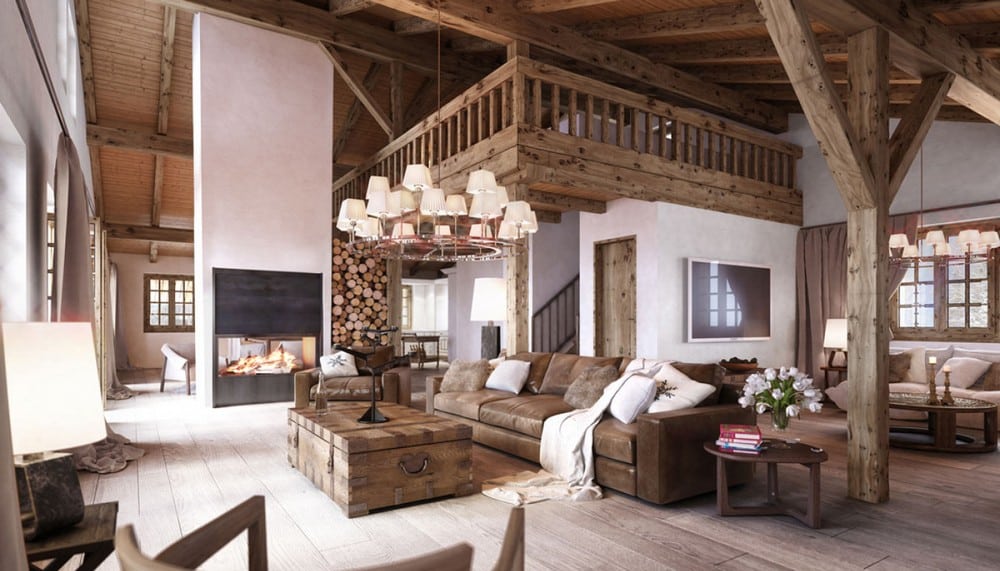
Modern rustic design is all about harmony. On one side, you have rustic décor, which highlights raw materials, natural textures, and handcrafted details. On the other, modern design focuses on simplicity, minimalism, and functionality. Together, they create an environment that is both cozy and sophisticated. Imagine a living room with wooden beams overhead, paired with sleek furniture and contemporary lighting—this is the very essence of modern rustic balance.
The key lies in restraint. Too much rustic can make a home feel old-fashioned, while too much modern can make it feel cold. A thoughtful mix allows both worlds to shine without overwhelming the senses.
Neutral Color Palettes With Bold Accents
Color is one of the simplest yet most powerful tools in achieving balance. Rustic design often leans toward earthy tones like browns, creams, and muted greens. Modern interiors, meanwhile, lean on neutral bases such as white, gray, and black. Bringing these together creates a versatile backdrop that can be layered with texture and detail.
A living room, for example, might feature white walls with exposed wooden beams, or a rustic stone accent wall paired with contemporary art. If you want to add a pop of personality, bold accents such as a modern rug, a colorful vase, or even an artwork inspired by themes like attitude shayari in hindi can infuse energy into the space without disrupting the harmony.
Blending Old And New Furnishings
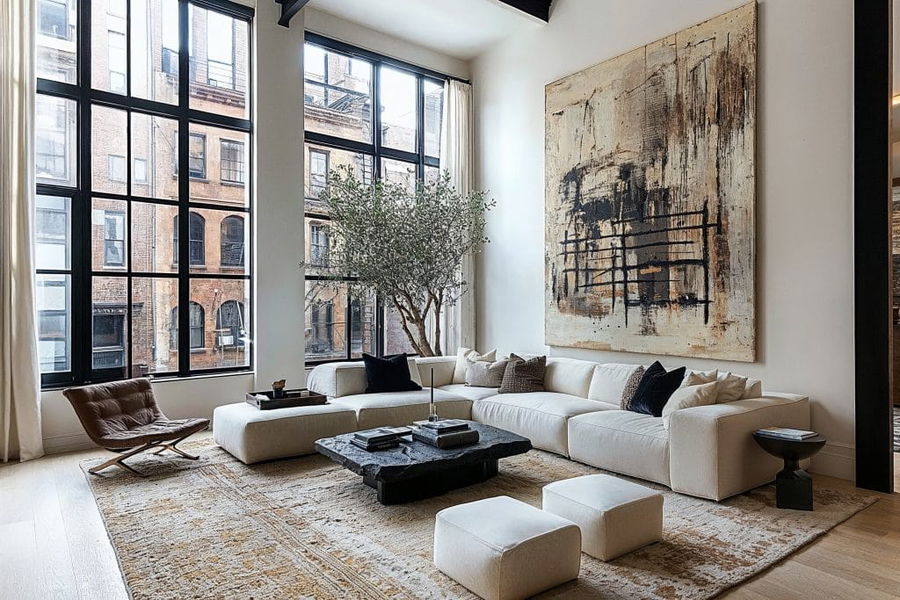
Furniture is the most visible part of any interior, and it often dictates the atmosphere of the space. Mixing rustic and modern furniture requires balance in both scale and style. Pairing a rustic farmhouse table with sleek chairs, or combining a plush modern sofa with a rugged wooden coffee table, creates visual interest without clashing.
The best approach is not to match but to coordinate. Look for pieces that share a common element, whether it’s material, color, or shape. This ensures that your home feels cohesive rather than mismatched. When browsing inspiration online, platforms like instadpworld.com can sometimes spark creative ideas for mixing contrasting aesthetics.
Light As A Design Element
Lighting plays a crucial role in highlighting the best of both rustic and modern design. Rustic spaces often feature warm, ambient lighting, while modern design embraces clean, geometric fixtures. The combination of the two can transform an ordinary room into something extraordinary.
Pendant lights with metallic finishes above a reclaimed wood dining table, or rustic lantern-style sconces paired with modern recessed lighting, can make a space feel layered and intentional. Natural light also matters. Large modern windows that allow sunlight to pour in will highlight the texture of rustic elements like wood and stone, amplifying their beauty.
Creating Spaces That Reflect Real Life
One of the reasons modern rustic design appeals to so many is its livability. These homes are not meant to feel like sterile showrooms or overly cluttered cabins. Instead, they embrace comfort, practicality, and personality. Adding small details like handmade pottery, woven baskets, or sleek minimalist shelves helps showcase both styles while also telling your story.
In practice, homeowners often face challenges while planning or remodeling. It’s not just about aesthetics but also about practical issues such as plumbing, wiring, or layout. When such challenges arise, it becomes essential to find plumbers or contractors who understand how to work with older materials while updating them to modern standards. This ensures both function and style are preserved.
A Style For Every Home
What makes modern rustic so versatile is that it can work in various settings, from urban apartments to countryside houses. Even in cities, people crave warmth and character, which rustic elements provide. At the same time, they want modern conveniences and sleekness, which contemporary design delivers.
For homeowners in professional fields, even their workspace or study can adopt this blend. For example, a law office at home might combine rustic shelving with modern desks, symbolizing both tradition and progress. Interestingly, someone doing a lawyer search in Australia might appreciate how a thoughtfully designed space communicates both authority and comfort to visiting clients.
Bringing In Professional Guidance
While many homeowners enjoy experimenting on their own, working with professionals can often help bring the vision to life. Interior designers, architects, and even niche experts can refine ideas, recommend materials, and ensure that spaces function as beautifully as they look.
Much like how digital marketing agencies guide businesses to balance creativity and strategy, design professionals help homeowners balance rustic charm with modern simplicity. Their experience can prevent costly mistakes and create a finished product that feels cohesive and polished.
Conclusion
Mixing modern and rustic décor is about finding a middle ground where tradition meets innovation. It’s about celebrating natural beauty while embracing contemporary convenience. From natural materials and thoughtful lighting to balanced furniture and versatile color schemes, every choice contributes to a harmonious whole. The appeal of this style lies in its authenticity. It reflects a lifestyle where comfort, beauty, and practicality coexist. Whether you live in a cozy countryside cottage or a sleek urban loft, blending modern and rustic elements allows you to create a home that feels timeless, balanced, and uniquely yours.